
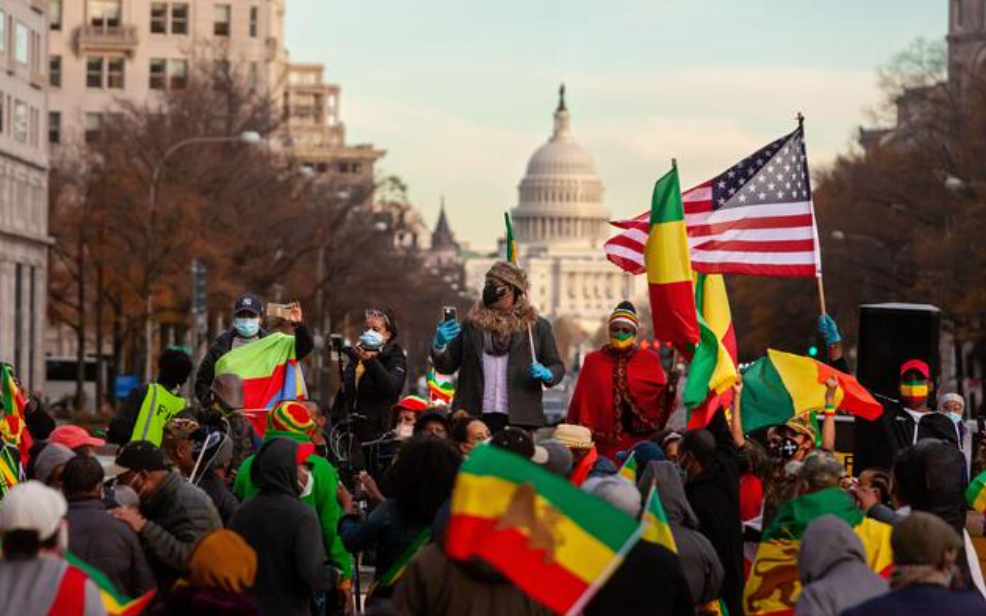


More than 5,000 Ethiopians living in the United States face the loss of Temporary Protected Status after a federal judge in Massachusetts cleared the way last month for the Trump administration to end the humanitarian program, leaving many immigrants uncertain about their ability to work and remain in the country.
U.S. District Judge Brian Murphy lifted an administrative stay that had blocked the Department of Homeland Security from implementing its decision to terminate Ethiopia’s TPS designation. The ruling allows the termination to take effect while a remaining legal challenge alleging racial or national-origin discrimination continues.
The administration announced the termination in December 2025, saying Ethiopia no longer met the statutory requirements for TPS. The termination was originally scheduled to take effect Feb. 13, 2026. A federal court subsequently blocked the move while it considered a lawsuit brought by African Communities Together and Ethiopian nationals.
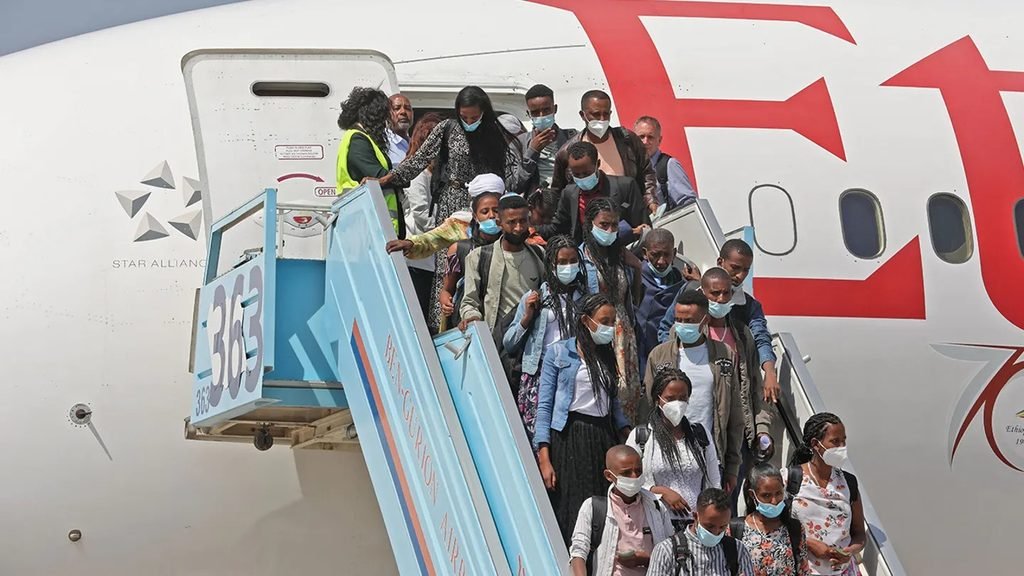
TPS is a federal humanitarian program that allows eligible nationals of designated countries to remain temporarily in the United States and obtain work authorization when armed conflict, natural disasters or other extraordinary conditions make a safe return difficult.
Ethiopia was first designated for TPS in 2022 amid armed conflict and other humanitarian conditions. DHS extended and redesignated the program in 2024, citing continuing conflict and instability in parts of the country.
For many beneficiaries, TPS has provided legal authorization to work and protection from removal while they pursue other immigration options. Its termination could affect employment, housing and family finances for people who have lived in the United States for years.
Diana Konaté, deputy executive director of policy and advocacy at African Communities Together, told CNN that the organization has received calls from Ethiopians worried about what comes next.
“People are really scared about what’s next,” Konaté said, urging affected individuals to consult licensed immigration attorneys. She said the loss of TPS could affect families in which a TPS holder is the primary wage earner, as well as people who own homes or businesses in the United States.
African Communities Together has argued that conditions in Ethiopia remain dangerous and that the termination was improperly motivated. The organization’s discrimination claim remains pending, according to court-tracking records.
The Supreme Court’s June 2026 ruling in a separate TPS case involving Haiti also changed the legal landscape by limiting judicial review of certain DHS decisions to terminate TPS. The ruling was followed by further court action allowing the administration to proceed with other TPS terminations.

The end of TPS does not necessarily mean every former beneficiary will be immediately detained or deported. Some may have another lawful immigration status, a pending application or another legal basis to remain in the United States.
Immigration advocates are urging affected Ethiopians to seek individualized legal advice rather than assume that the termination of TPS automatically determines their immigration future.
For thousands of Ethiopian immigrants, however, the end of the program marks the loss of a legal protection that has allowed them to work and build lives in the United States while conditions in their home country remained uncertain.