
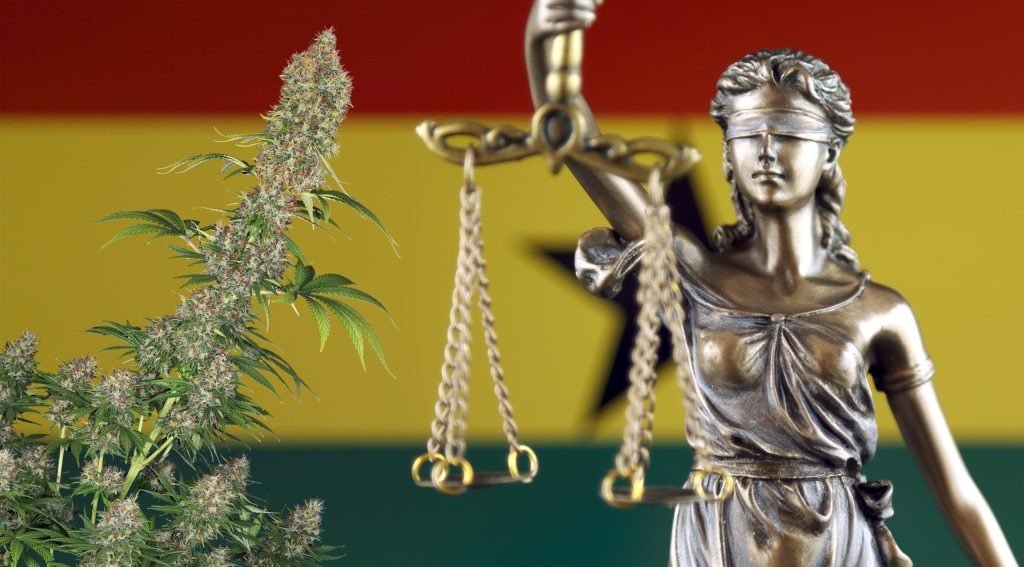

Ghana has formally legalized the cultivation of Cannabis for Industrial and Medicinal purposes after lawmakers approved a policy framework last February, allowing licensed companies to engage in regulated production.
The country’s Narcotics Control Commission (NCC) has since opened applications for licenses to cultivate and manage cannabis, marking a significant step toward building a regulated cannabis industry.
In a statement issued on March 11, the Commission said the licensing process follows the launch of the national regulatory regime last month. The NCC emphasized that licenses will only be granted for cannabis containing no more than 0.3% tetrahydrocannabinol (THC) on a dry-weight basis. The framework focuses on two primary areas: industrial production, including fiber and seeds for manufacturing, and medicinal use, aimed at supporting pharmaceutical and health-related products.
Despite this shift, the possession and recreational use of cannabis remain illegal in Ghana, with penalties of up to 10 years in prison. The new licensing system strictly permits the cultivation of low-THC cannabis. THC is the psychoactive component of cannabis responsible for its intoxicating effects.
Interior Minister Muntaka Mubarak reiterated that the country’s stance on recreational cannabis has not changed.
“This is not about legalizing recreational cannabis,” he said in an interview with Eye on Africa on France 24. “We are creating a world-class, Ghanaian-controlled industrial and therapeutic cannabis sector that can compete with those in Canada, the United States, and Germany, while protecting public health and national security.”
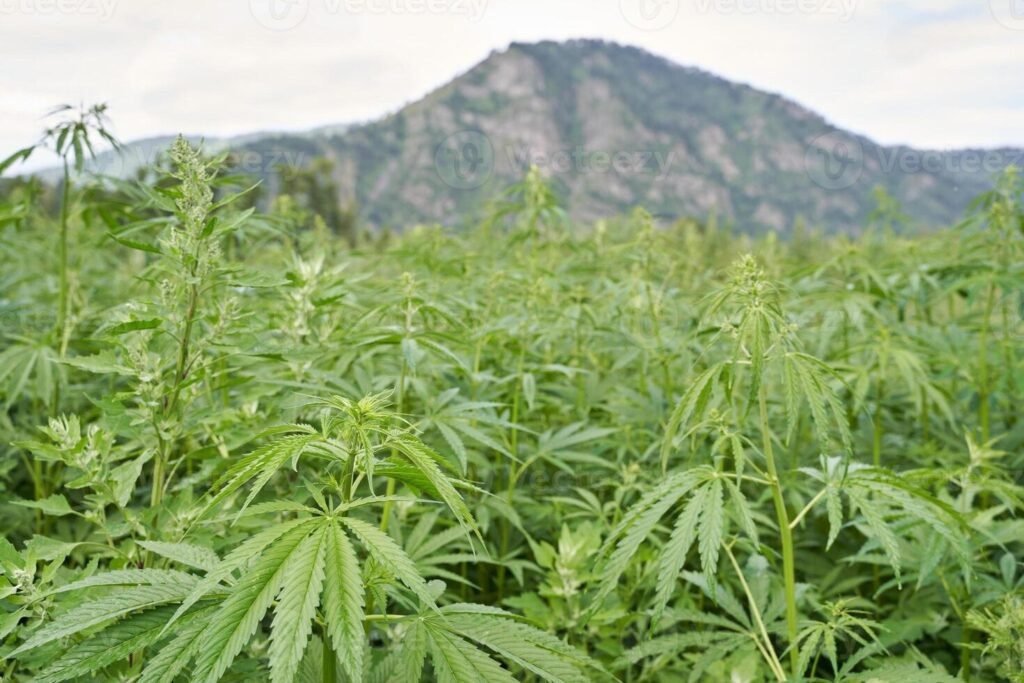
From the Rif Mountains in Morocco to the remote highlands of Malawi, especially the Likawa Hills in Mzimba, these regions have long been recognized as major centers of cannabis cultivation across Africa.
The government is introducing 11 different license categories to regulate activities such as research, cultivation, storage, and transportation. However, Ghana remains a deeply religious and socially conservative country, and some citizens worry that even a tightly controlled system could lead to unintended consequences.
At the 17th Annual Conference of the National Catholic Health Services, held in Takoradi, Bishop Emmanuel Kofi Fianu of Ho urged the government not to give in to pressure to decriminalize cannabis.
“Whatever the cause of addiction, the kind attitude and compassionate care from families, caregivers, and the broader community must not be diminished,” he said. “It is necessary to treat those struggling with addiction socially, humanely, morally, and spiritually, as both individuals and patients in need.”
Licenses will be issued for three-year periods and will require strict compliance with regulatory conditions. The Interior Minister noted that all applications are processed online to reduce human interference.
“You cannot bypass the system, and every step is accountable,” Mubarak said, highlighting the transparency and traceability built into the process.
Across Africa, several countries are exploring reforms to ease restrictions on cannabis production and use. However, South Africa remains the only country on the continent to have fully legalized cannabis for personal use.
1 comment
Placide Magambo’s reporting of the latest development in Ghana regarding the forthcoming legalization of cannabis for medicinal/agricultural purpose was well researched and clearly communicated. It is important to note the country’s separation of legalities: those for the above mentioned vs. recreational uses. Very good article.