
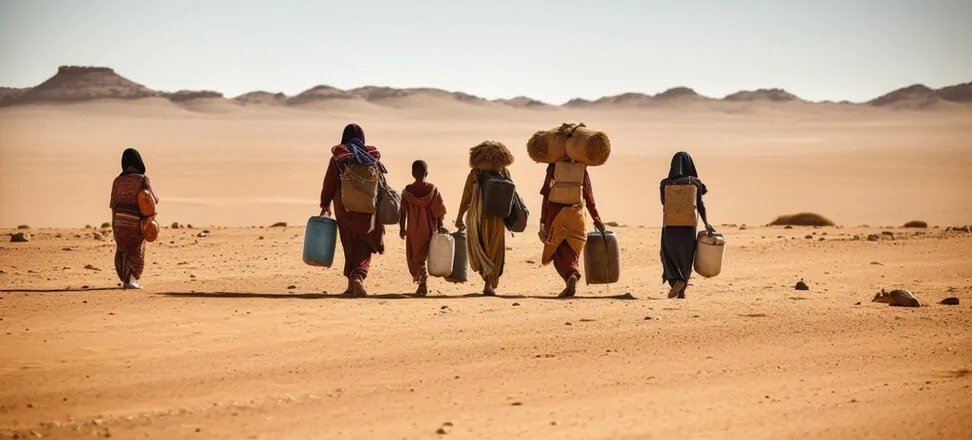

With the 17th Session of the Conference of the Parties (COP17) to the United Nations Convention to Combat Desertification just weeks away, African scientists, policymakers, and environmental advocates are urging world leaders to place local communities at the center of efforts to restore degraded land and strengthen resilience against climate change.
The global summit will be held in Ulaanbaatar, Mongolia, from August 17 to 28, 2026, under the theme “Restoring Land, Restoring Hope.” The conference is expected to bring together representatives from the Convention’s 197 parties, along with ministers, scientists, investors, Indigenous leaders, pastoralists, and civil society organizations to advance solutions for land restoration, drought resilience, water security, and sustainable food systems.
For African communities, the issue extends far beyond the environment. It directly affects families, agricultural livelihoods, migration patterns, and long-term economic opportunities across the continent.
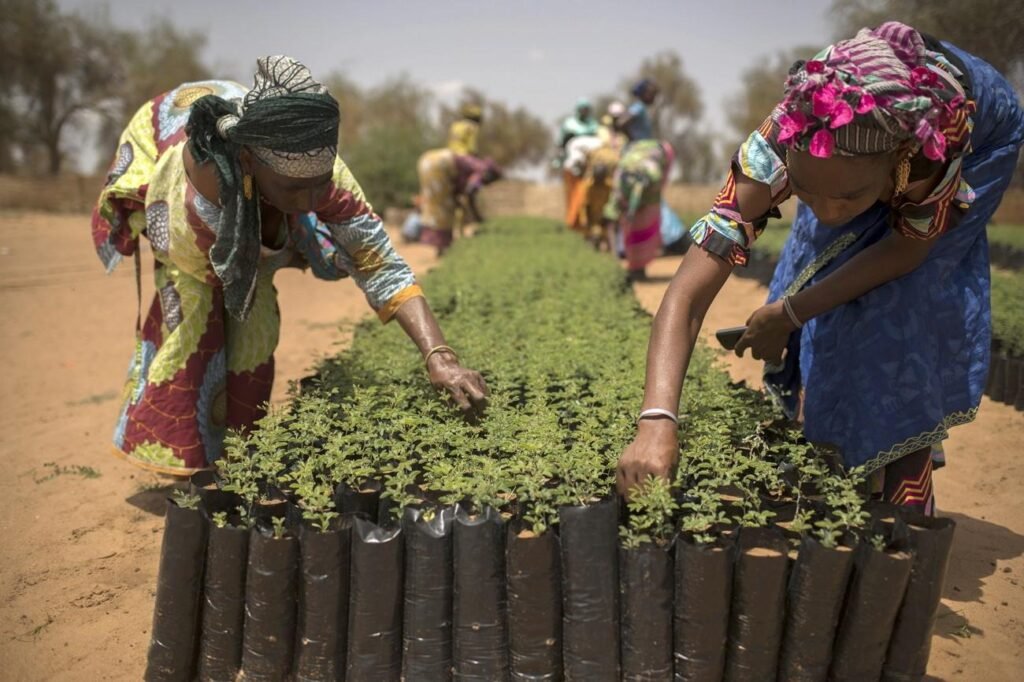
“The claim that the Sahara Desert expands by three miles each year is no longer considered accurate,” said Oumarou Malam Issa, Research Director at the IRD. “However, land degradation remains a serious concern. It includes the deterioration of soil and vegetation, as well as a decline in plant productivity. This phenomenon affects approximately 40% of the Earth’s land surface, with 37% of Africa’s land area impacted.”
According to experts, nearly two-thirds of Africa consists of deserts or drylands, and vast areas continue to experience declining soil quality. African researchers and policymakers argue that combating desertification should no longer be viewed as an environmental issue alone. Instead, they say restoring degraded land is essential for strengthening food security, supporting economic growth, reducing forced migration, and promoting long-term social stability.
COP17 is expected to bring together representatives from the 197 parties to the United Nations Convention to Combat Desertification, along with government ministers, scientists, investors, Indigenous leaders, pastoralists, and civil society organizations. Participants will focus on accelerating efforts to restore degraded land, improve drought resilience, strengthen water security, protect rangelands, and build more sustainable food systems.
“People living in these affected areas across Africa have developed remarkable adaptive strategies over generations,” Malam Issa told TV5 Afrique. “These approaches are rooted in agricultural, pastoral, and forestry practices, as well as the mobility that has long been essential to sustaining production in dryland regions.”
Although this year’s conference is being hosted thousands of miles from Africa, organizers say Mongolia offers valuable lessons for countries confronting similar environmental challenges.
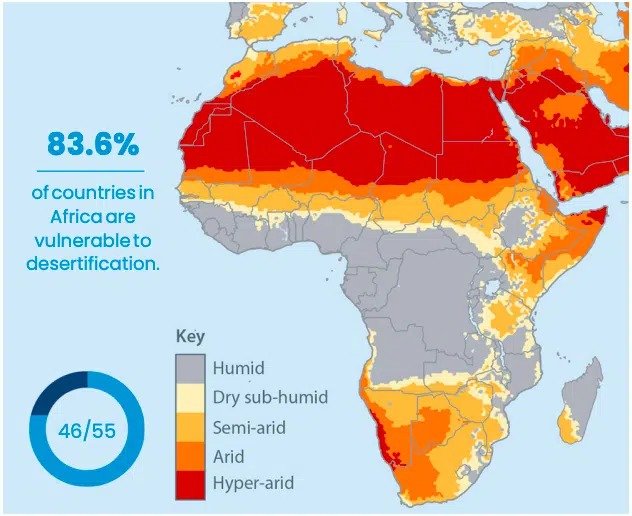
livelihoods, and are becoming a major driver of migration to other continents.
Like many African nations, Mongolia faces accelerating land degradation, prolonged droughts, and increasingly severe climate impacts. As the first Rio Convention COP of the 2026 Tri-COP year, the conference also presents an opportunity to strengthen cooperation between global efforts on land restoration, biodiversity conservation, and climate action.
Mongolia’s experience illustrates how environmental degradation can threaten entire rural economies. Much of the country is affected by deteriorating land, while its livestock-dependent pastoral communities are increasingly vulnerable to drought and harsh winters known as dzuds.
During the devastating winter of 2023–2024, millions of livestock died, leaving thousands of herding families without their primary source of income and food. In Mongolia, livestock are far more than economic assets, they represent financial security, cultural identity, and survival.
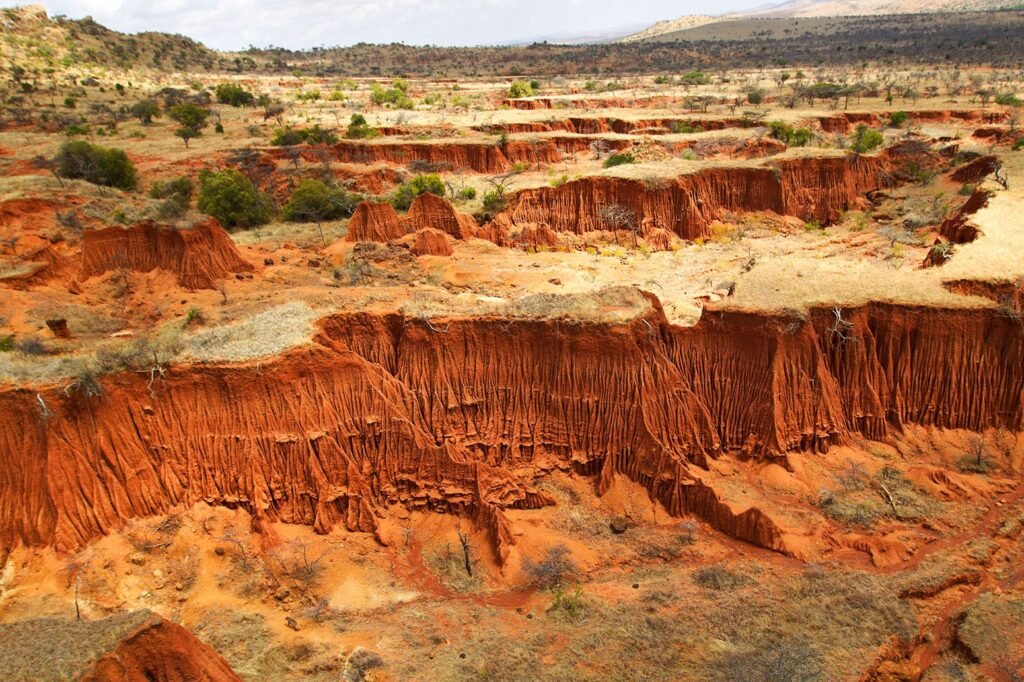
For African countries facing similar pressures from desertification and climate change, many experts say the conference offers an important opportunity to exchange knowledge, strengthen international partnerships, and place local communities at the center of land restoration efforts.
As delegates gather in Mongolia later this month, one message is expected to resonate throughout the conference: restoring the world’s land is not only an environmental priority, it is an investment in food security, economic resilience, and the future of communities across Africa and around the globe.