
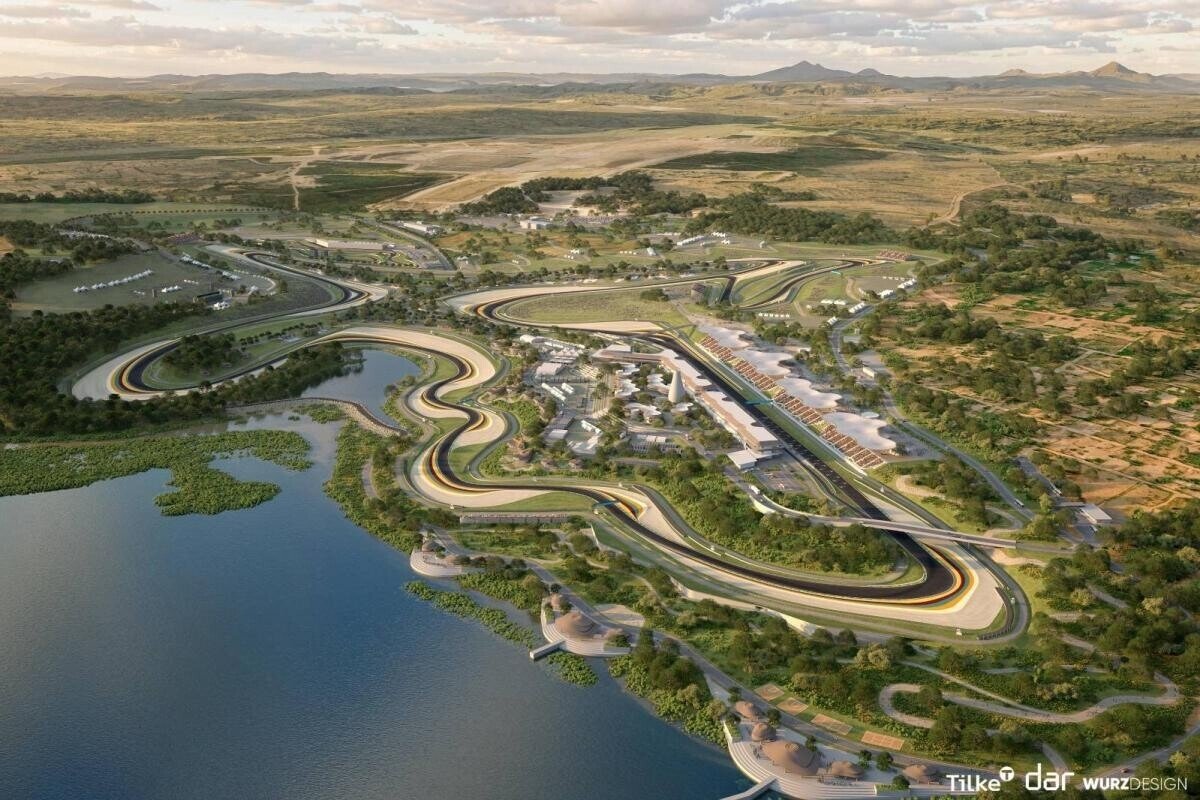

The planned Grand Prix near Kigali could put Africa back on Formula One’s global calendar for the first time since 1993, opening new opportunities for tourism, investment and African motorsport.
Rwanda has secured a 10-year agreement to host a Formula One (F1) Grand Prix at a purpose-built circuit in Bugesera, about 25 miles south of Kigali, with the first race expected in the early 2030s. The deal would mark the championship’s return to Africa after more than three decades, since the 1993 South African Grand Prix at Kyalami.
Announced on October 13, 2026, the agreement represents a significant opportunity for Rwanda and the wider continent to gain greater visibility in one of the world’s most commercially influential sporting competitions.
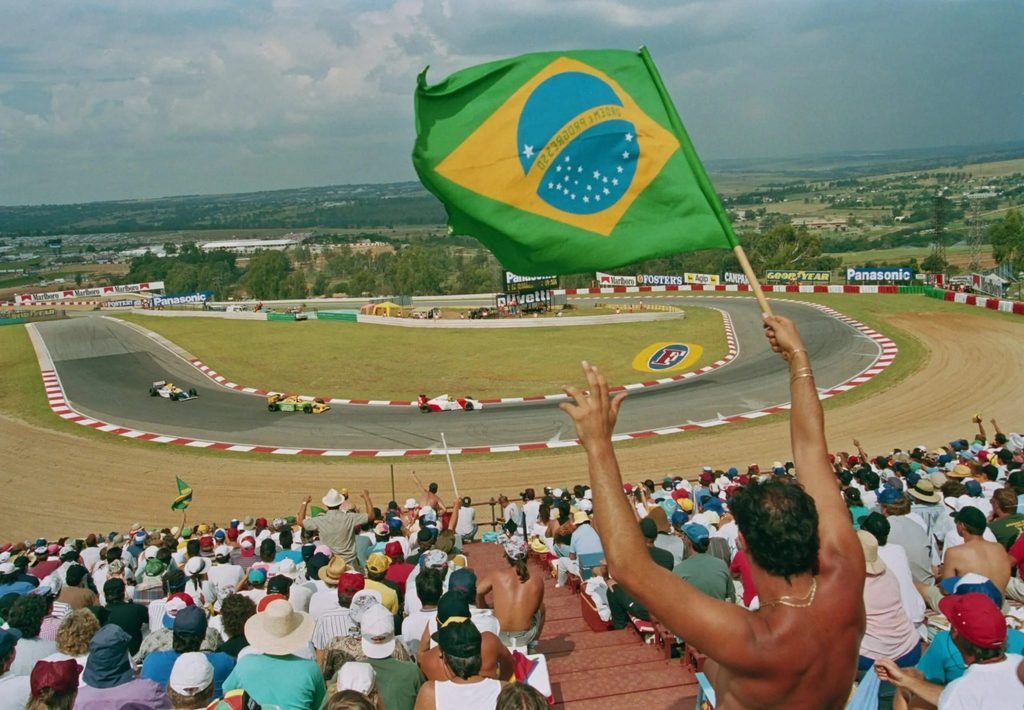
Seven-time world champion Lewis Hamilton has long advocated for F1 to return to Africa, questioning why the continent has been excluded while the championship races across other parts of the world.
“This is not simply about hosting a Grand Prix. This is about creating legacy and inspiration,” F1 President and CEO Stefano Domenicali said.
The proposed circuit, designed by former Australian F1 driver Alex Wurz, will use the area’s natural landscape and elevation changes to create a challenging racing experience. However, the race’s exact debut date remains unconfirmed.
For Rwanda, the project aligns with a broader strategy to attract international investment, grow tourism and strengthen its reputation as a destination for major sporting events. Through its Visit Rwanda campaign, the country has already partnered with prominent football clubs, including Arsenal, Aston Villa, Paris Saint-Germain, Bayern Munich and Atletico Madrid to raise its international profile.
“This is a major milestone not only for Rwanda but for the entire African continent,” Rwandan sports journalist Jean Luc Imfurayacu told The Nile Tribune. He said the agreement could boost tourism, attract investment and strengthen Africa’s presence on the global sporting stage, provided the project is properly planned and executed.
Beyond Rwanda: What the return means for Africa
Africa’s return to F1 could reconnect millions of fans across the continent and the African diaspora in North America as well as the African diaspora around the world with a championship that has been absent from African circuits for decades. It could also create opportunities in hospitality, infrastructure, technology and motorsport development, although the scale of those benefits will depend on how the project is delivered.
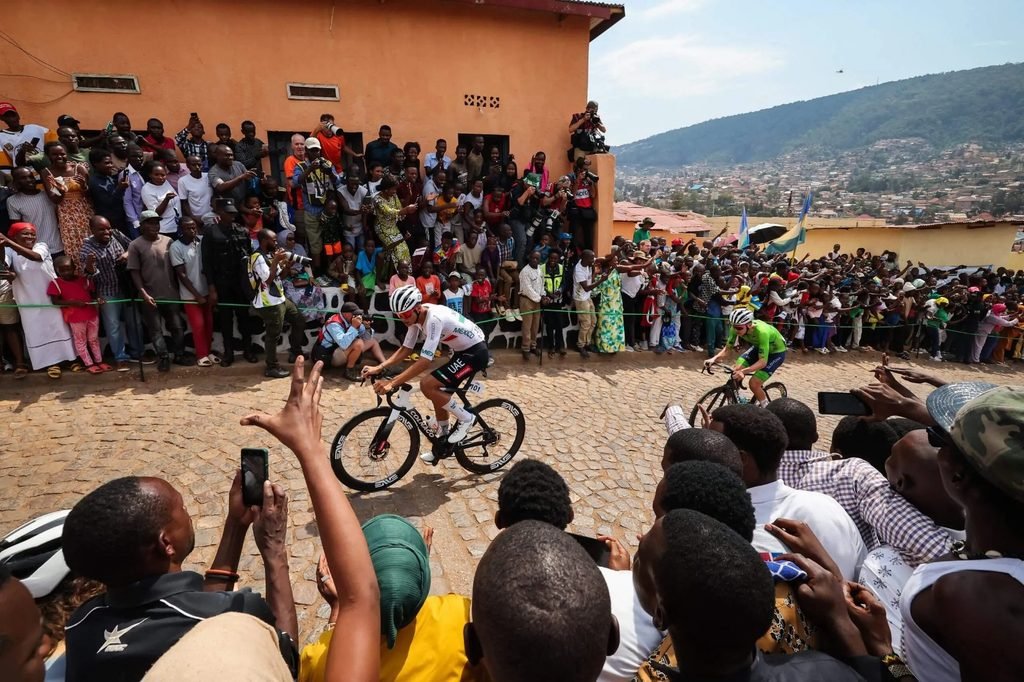
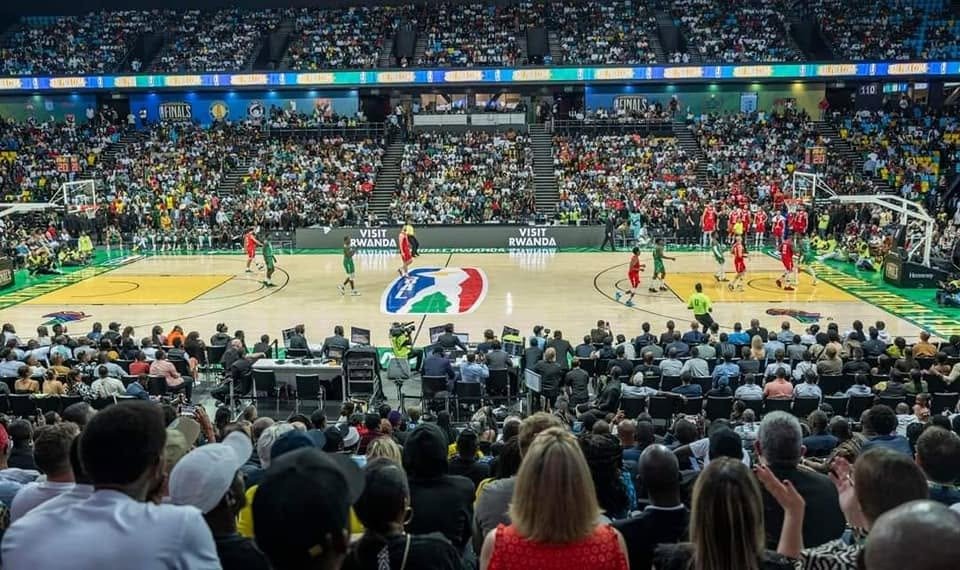
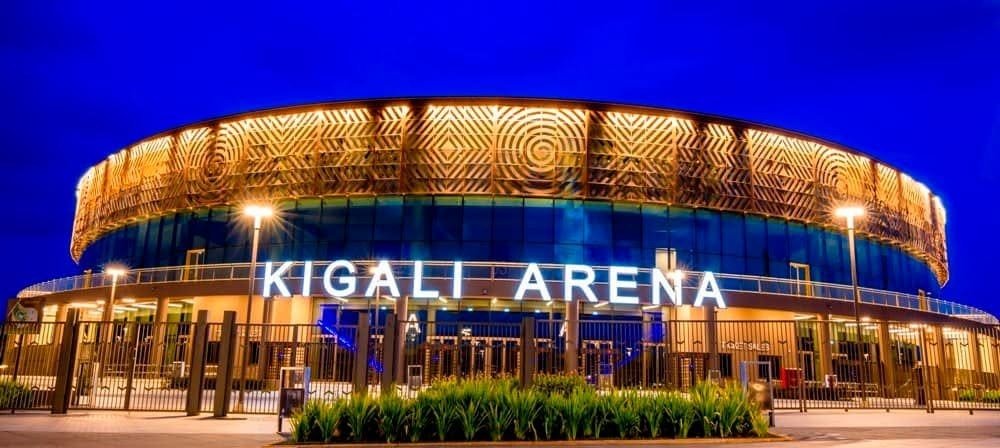
Rwanda has recently hosted or pursued major international sporting events, including the 2025 UCI Road World Championships, alongside basketball, cricket and football initiatives. The F1 agreement builds on those efforts to position the country as a global sports destination.
Yet the announcement also raises practical questions about infrastructure costs, long-term financing, local economic benefits and accountability. As with other international sporting events, the project’s success will depend not only on attracting global attention but also on delivering tangible benefits for Rwandans and the wider African community.
President Paul Kagame welcomed the agreement as a historic achievement, signaling Rwanda’s ambition to bring more major sporting events to the country.
For Africa, the significance extends beyond a single race. If Rwanda delivers on its plans, the Grand Prix could mark a new chapter in the continent’s relationship with global motorsport, one that gives African fans a place on the calendar and a greater stake in the sport’s future.