
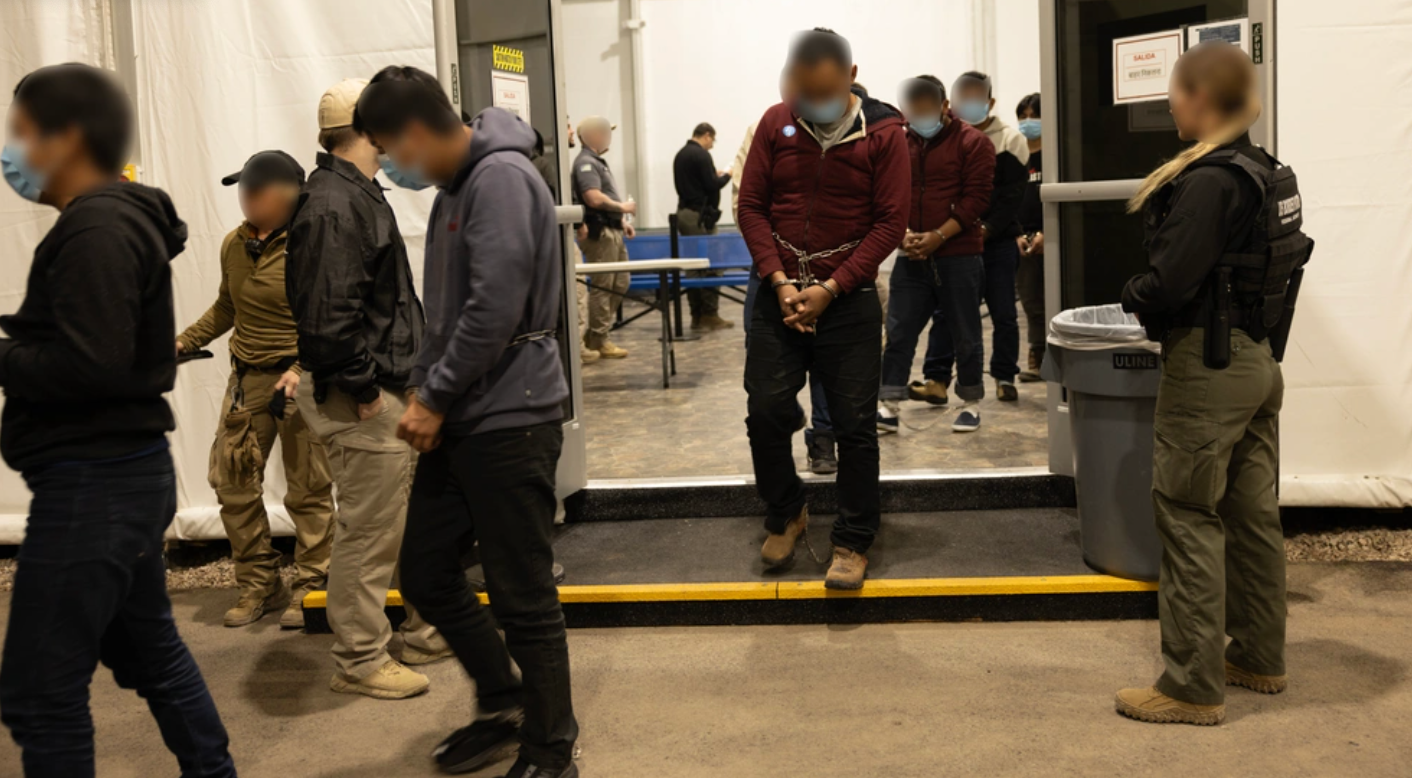

Gabriela had little time to prepare for a destination she had never imagined calling home. One day before her deportation from the United States, she learned she was being sent to the Democratic Republic of Congo, thousands of miles from Colombia and to a country where she did not speak the language.
The journey lasted about 27 hours. Gabriela said she was restrained during the flight, with her hands and feet tied, before arriving in Kinshasa, where she found herself among migrants from other countries who, like her, had no connection to Congo.
“I didn’t want to go to Congo. I’m scared, I don’t know the language,” Gabriela told Agence France-Presse.
Her experience reflects the growing use of so-called third-country deportations by the United States, sending migrants to countries that are neither their countries of citizenship nor places where they previously lived. The practice has expanded under the Trump administration as the U.S. reaches agreements with governments in Africa and elsewhere to accept migrants removed from the country.
In April, migrants from Colombia, Peru and Ecuador arrived in Kinshasa under a U.S.-Congo agreement. One of them was Hugo Palencia Ropero, who said he spent five months in detention without seeing a judge.
“I’m more afraid of being here in Africa than in Colombia,” he said.
For Gabriela, Ropero and others, the distance was more than geographic. They were suddenly in a country with a different language, culture and legal system, far from the family and community networks they had in the Americas.
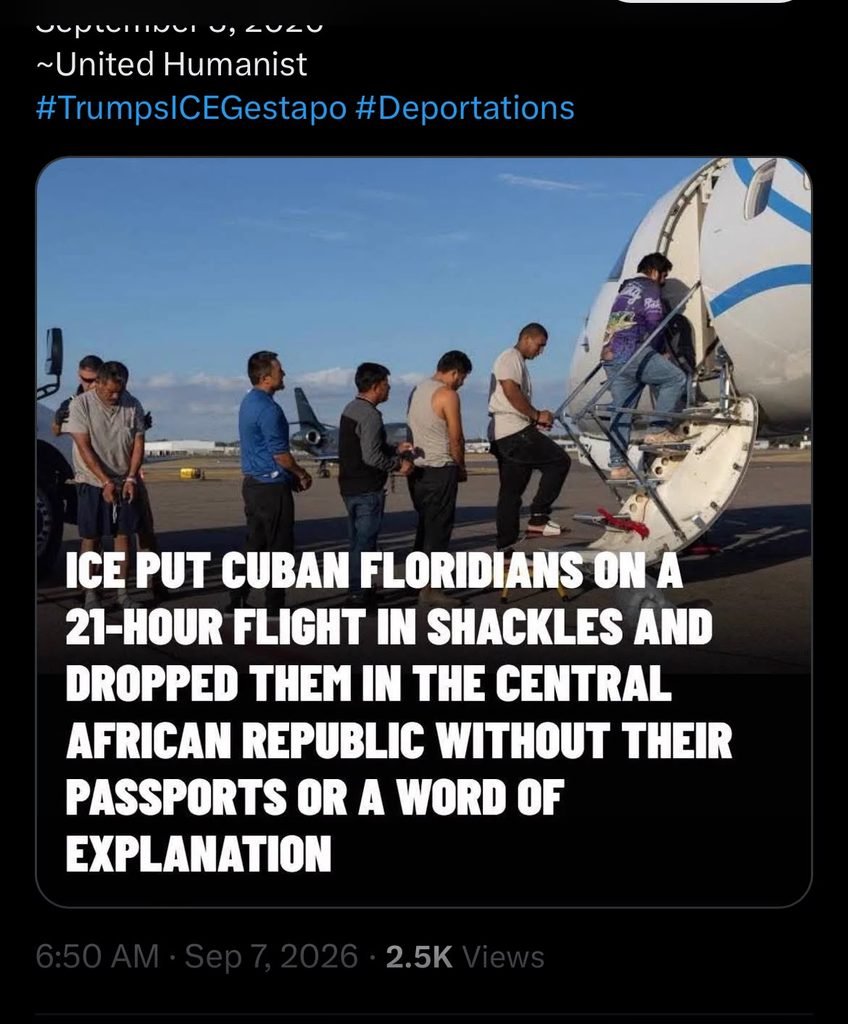
Congo’s government described the arrangement as temporary and said the United States would cover the costs. Officials characterized it as an expression of “human dignity and international solidarity.”
But the arrangement did not become a permanent solution for everyone. By June, nine migrants, four Peruvians and five Colombians, had left Congo, according to Reuters. Most received assistance from the International Organization for Migration, a United Nations agency. Six others, including three Colombians and three Ecuadorians, remained in Kinshasa at the time.
Congo is now part of a broader network of third-country deportation agreements pursued by the United States with other several African nations.
Liberia became one of the latest countries to join the arrangement. On Aug. 20, the first 20 deportees arrived at Roberts International Airport outside Monrovia under an agreement that could eventually bring as many as 1,200 third-country nationals to the West African nation.
The expansion has raised questions about what happens to migrants after they are removed from the United States, particularly when they have no ties to the country receiving them.
A February report by Democratic staff of the Senate Foreign Relations Committee said the Trump administration had spent at least $40 million on roughly 300 deportations to third countries. The report also raised concerns about transparency and congressional oversight of the agreements.
Immigration lawyers and human rights advocates have questioned whether the arrangements provide adequate legal protections for migrants who may face danger or further displacement. The U.S. government has defended its immigration enforcement efforts as part of its broader policy of removing people subject to deportation and strengthening border enforcement.
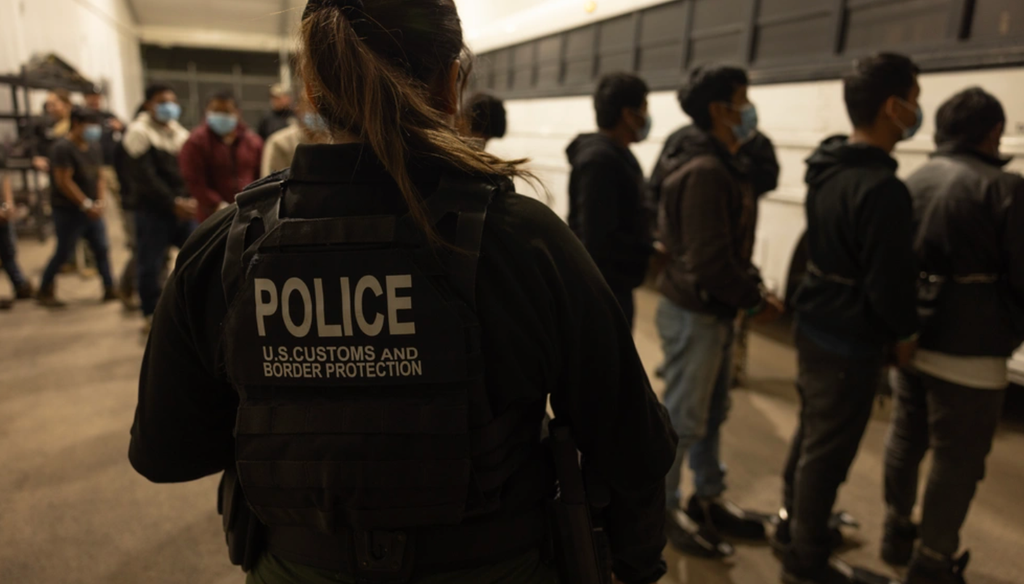
For the migrants, however, the issue is less about diplomatic agreements than what happens after the plane lands.
A person sent to a third country can be separated from family, lawyers and established support networks and may have little idea where they will go next.
Gabriela did not arrive in Congo seeking a new life there. She arrived because the United States sent her.
As more migrants are sent thousands of miles from home, the experience of people like Gabriela raises a fundamental question: what responsibility should receiving countries assume for migrants whose removal was decided somewhere else?
2 comments
Only God Knows why all of these happen
Interesting article I enjoyed to read and re -read , thank you Rosine