
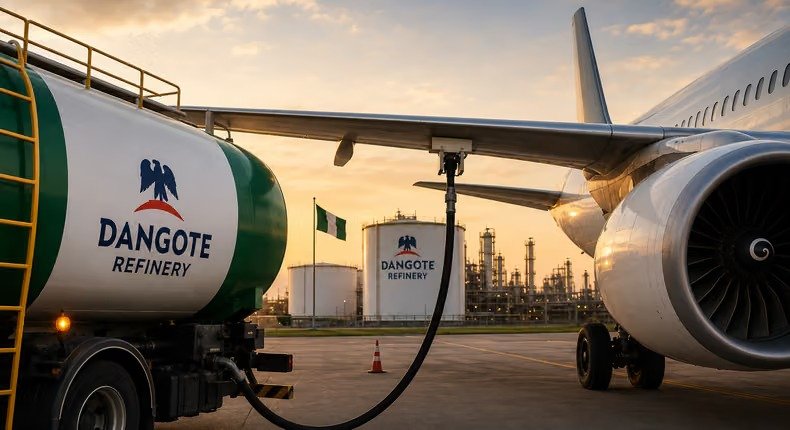

Nigeria has reached a major milestone in Africa’s energy sector, with the Dangote Oil Refinery emerging as Europe’s largest external supplier of jet oil in June 2026.
According to industry data, the refinery exported approximately 466,000 barrels of jet oil to Europe during the month, surpassing shipments from the United States, which exported about 399,000 barrels over the same period. The achievement marks a significant shift in global oil trade and highlights Nigeria’s growing influence in international energy markets.
Owned by African billionaire Aliko Dangote, the mega-refinery has rapidly established itself as a key player in Europe’s refined oil market by taking advantage of supply disruptions linked to the conflict in the Middle East and ongoing uncertainty surrounding shipping routes through the Strait of Hormuz.
The June exports nearly doubled the refinery’s May shipments, when about 232,000 barrels of jet oil were delivered to Europe. Analysts say the sharp increase reflects changing global supply chains as European buyers seek alternative sources of refined petroleum products.
“Despite the current global crisis, this is unprecedented, and it is also good news for Africa’s oil industry,” journalist Timothée Marouze told TV5. “For years, African refiners struggled to compete with large Middle Eastern refinery companies. Today, European markets are becoming more accessible as shipments through the Strait of Hormuz face disruptions and American oil exports become less available.”
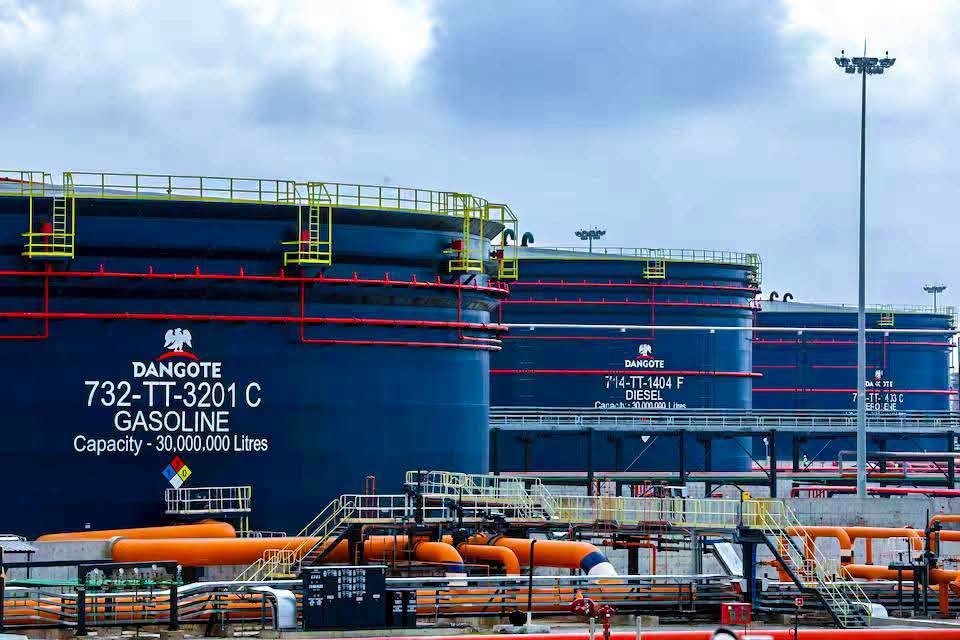
Since beginning commercial operations, the Dangote Refinery has steadily expanded exports of gasoline, diesel, and aviation fuel to destinations across Africa, Europe, and other international markets. The facility is helping transform Nigeria from one of the world’s largest importers of refined oil products into an increasingly important exporter.
Before the launch of the Dangote Refinery, most African refineries operated on a much smaller scale and had limited processing capacity. Higher production costs made it difficult for them to compete with the world’s largest refining hubs, particularly those in the Persian Gulf.
“The Dangote Refinery has changed that dynamic,” French energy expert and professor specializing in the downstream oil and gas industry, Jean-Pierre Favennec, told TV5 Afrique. “While the refinery supplies a significant share of Nigeria’s domestic fuel demand, roughly half of its production, the remaining output is largely destined for export to Europe and other African countries. Its large scale and lower production costs enable it to compete more effectively with major international refiners, including European and U.S.-linked companies, especially during periods of supply uncertainty such as disruptions affecting shipping through the Strait of Hormuz.”

The export milestone also supports the Dangote Group’s broader ambitions across Africa. The company has announced plans to invest $46 billion in expanding refining capacity through two additional mega-refineries linking West and East Africa. If realized, the project could further strengthen Africa’s position as a global producer of refined petroleum products rather than a net importer.
While Dangote significantly expanded its presence in the European market in June, analysts caution that competition is likely to intensify as global supply chains stabilize and more international exporters return to the market.
For Africa, however, the refinery’s success represents more than a commercial achievement. It signals the continent’s growing capacity to add value to its own natural resources and compete in industries that have long been dominated by producers outside Africa, a development with implications for economic growth, energy security, and trade relationships between Africa, Europe, and North America.