
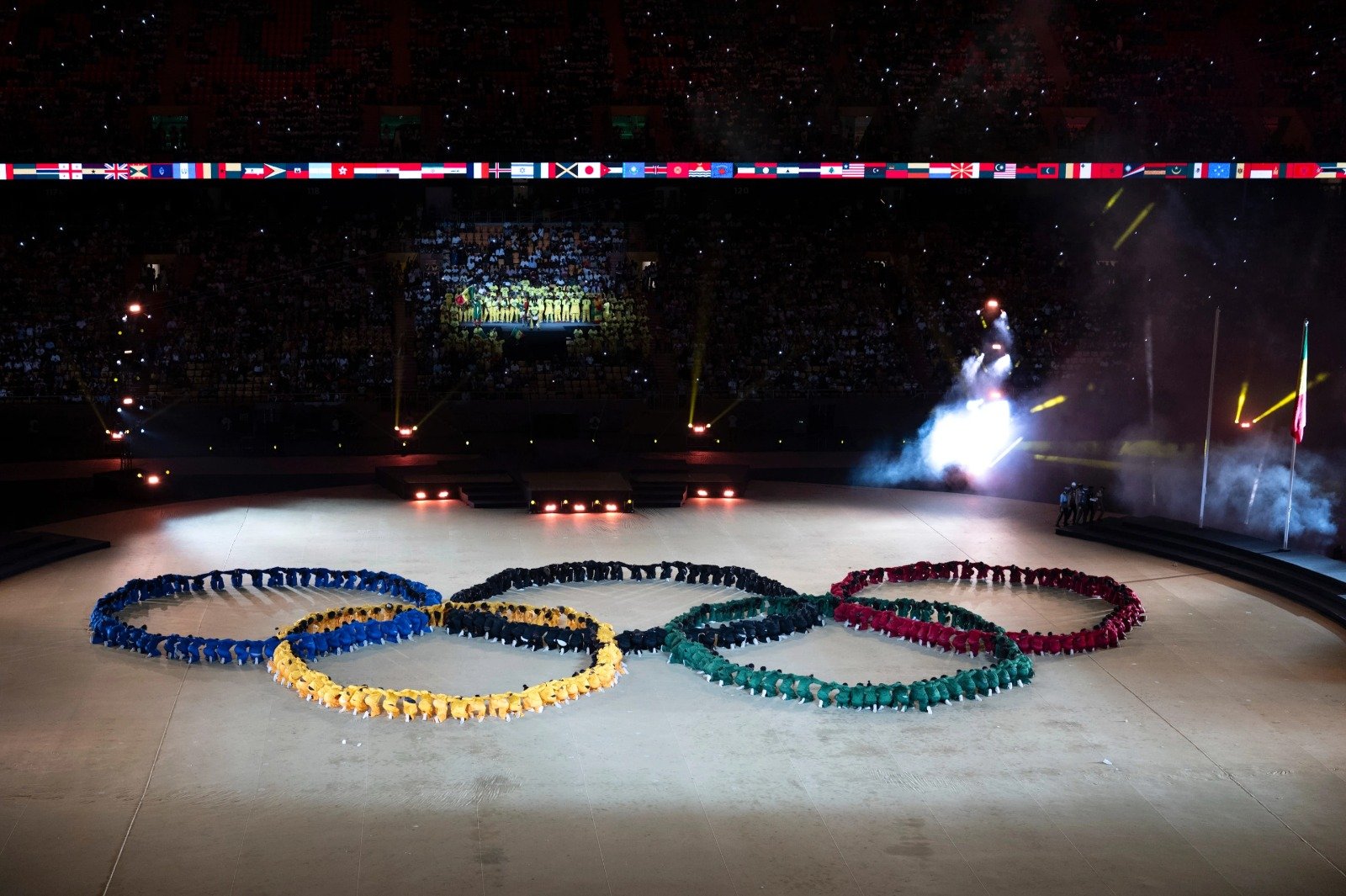

DAKAR, Senegal — Africa has entered a new chapter in Olympic history as the Youth Olympic Games opened in Senegal on Oct. 31, marking the first time an Olympic event has been held on the continent. The Games also feature the debut of a refugee team, giving six young athletes displaced from their home countries an opportunity to compete on the international stage.
About 2,700 athletes ages 14 to 17 from around the world are competing in Dakar through Nov. 13, with 153 medal events across 25 sports. The six-member Refugee Olympic Team, based in Kenya and Uganda, is competing in track and field, judo and taekwondo.
Beyond representing displaced communities, the young athletes have an opportunity to connect with competitors from different backgrounds who may share similar experiences and challenges.
“This is a historic moment for Senegal, for Africa and for our entire Olympic family,” International Olympic Committee President Kirsty Coventry said during the opening ceremony.
For Senegal, hosting the 2026 Youth Olympic Games is more than a sporting achievement. It offers an opportunity to showcase African talent and culture while strengthening the continent’s position as a destination for major international sporting events.
Coventry, a former Olympic swimming gold medalist from Zimbabwe, became the first woman and first African to lead the International Olympic Committee last year. Her leadership also gives the Games added historical significance as Africa welcomes the Olympic movement to its shores for the first time.
The event comes as African countries increasingly use sports to advance diplomacy, economic development and international recognition.
South Africa hosted the continent’s first FIFA World Cup in 2010, while Morocco is preparing to co-host the 2030 tournament with Spain and Portugal. Rwanda hosted Africa’s first UCI Road World Championships last year and is pursuing plans to bring Formula 1 back to the continent with a Grand Prix early next decade. Botswana also hosted the World Athletics Relays in May.
Dakar 2026 adds another milestone to that growing record.
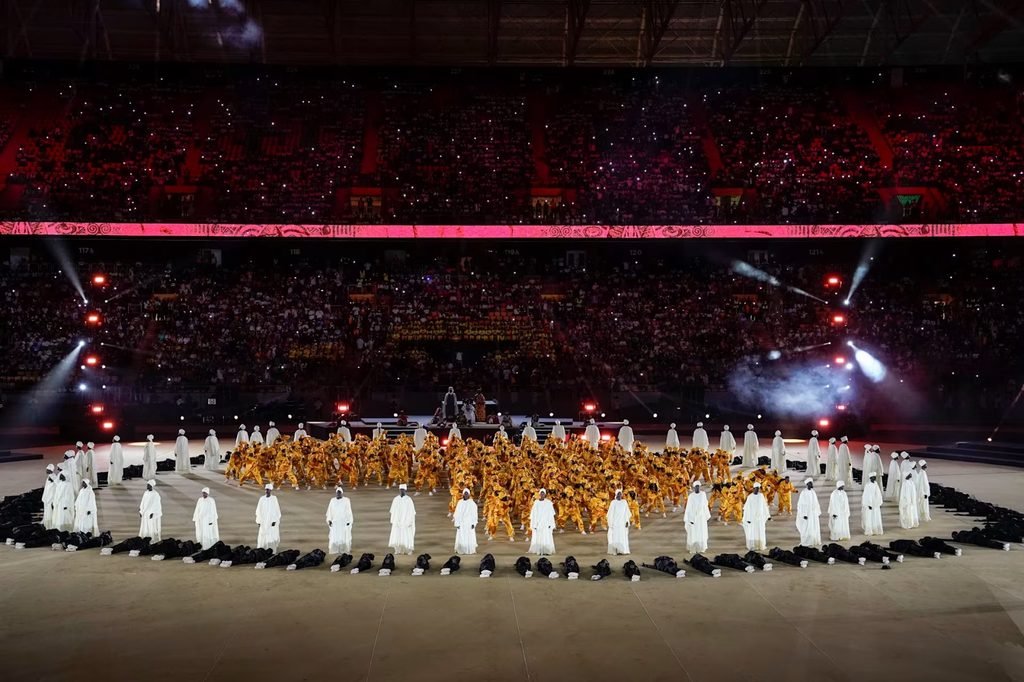
Organized by the International Olympic Committee, the Youth Olympic Games bring together young elite athletes for a multisport competition designed to develop sporting talent while promoting Olympic values, peace and international solidarity.
First held in Singapore in 2010, the Youth Olympics combine traditional Olympic events with newer sports, mixed-gender competitions and cultural activities. Nanjing, China, hosted the second edition in 2014, followed by Buenos Aires in 2018. Dakar was initially scheduled to host the 2022 Games, but the COVID-19 pandemic forced their postponement.
For Coventry, bringing the competition to Africa represents a long-awaited achievement. “It’s time for Africa. It’s time for Senegal. It’s been a long time,” she said. “I know Senegal is going to do an incredible job of welcoming the world and the world’s athletes to come and share in our African traditions and our excitement. We are very proud of that.”
A sporting event rooted in African culture
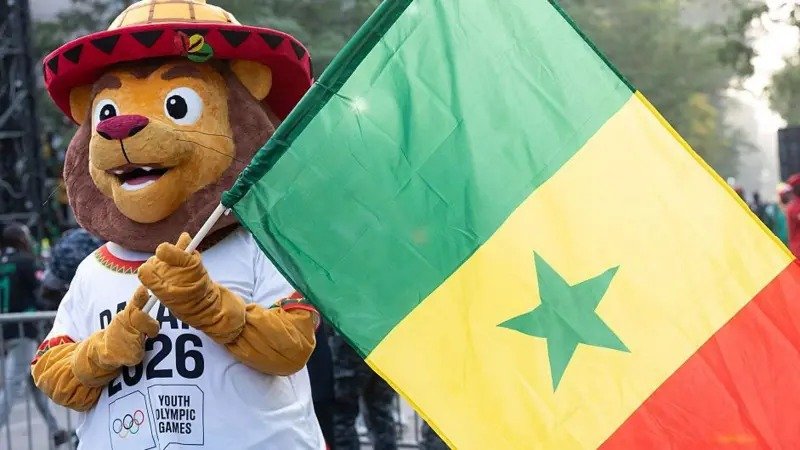
Senegal is using the Games to introduce international visitors to its cultural heritage, making the event as much a celebration of identity as a sporting competition.
The official medals feature a lion on one side and a baobab tree on the other, symbols representing Senegalese and African heritage, resilience and longevity.
The official song, “Teranga,” takes its name from the Wolof word for hospitality and is performed by Senegalese artist Mamy Mbaye. At the athletes’ village, participants can also experience traditional Senegalese music and dance through activities featuring sabar and djembe drumming.
But beyond its cultural showcase, Dakar 2026 is also drawing attention to the role of sports in creating opportunities for displaced young people.
Refugee athletes take the Olympic stage
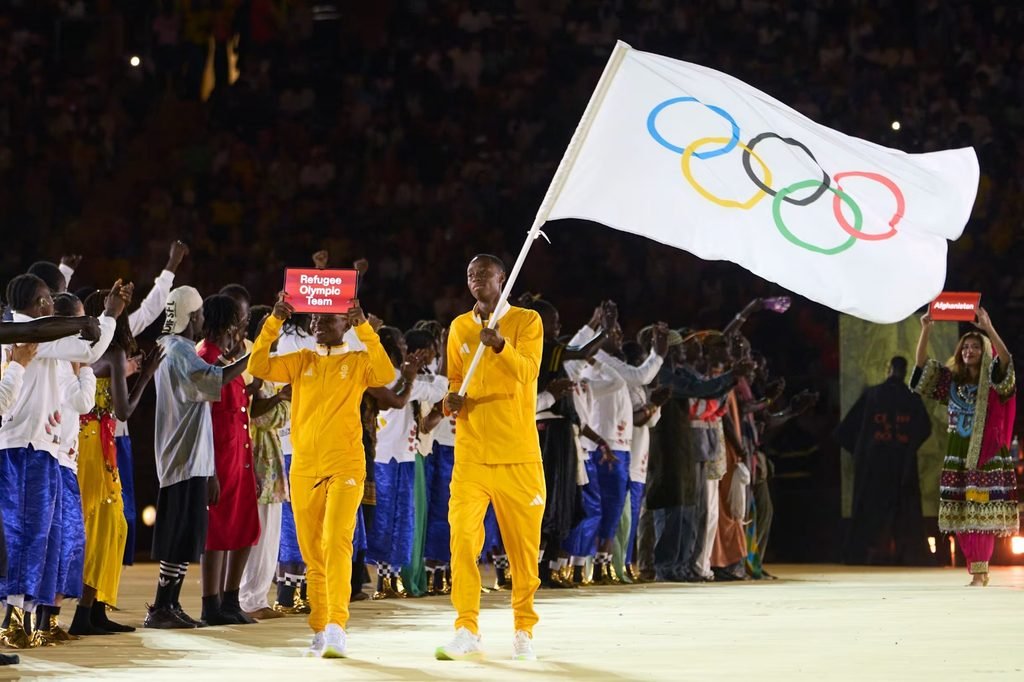
The six-member Refugee Olympic Team brings together athletes based in Kenya and Uganda and supported by the countries’ National Olympic Committees. The delegation includes four track and field athletes, one judoka and one taekwondo athlete.
Several secured their places through trials organized in the two countries, including participants in Uganda’s Game Connect, a community-based sports initiative funded by the Olympic Refuge Foundation.
Their selection marks a significant development in efforts to connect grassroots sports programs for refugees with elite international competition. It is the first time the foundation’s community initiatives have been directly linked to an elite competition pathway through its Refugee Athlete Support program, backed by Olympic Solidarity.
The initiative builds on years of work supporting displaced athletes. Established in 2016, the World Athletics Athlete Refugee Team has developed into a year-round program, while its under-20 initiative has expanded from Kenya into Uganda through partnerships with local sports organizations and the U.N. refugee agency.
For the young athletes, competing in Dakar represents an opportunity to demonstrate their abilities beyond the circumstances of displacement and take part in an international sporting community.
A pathway to future Olympic champions
For many of the athletes competing in Dakar, the Games could also serve as an important step toward senior-level international competition, including the 2028 Summer Olympics in Los Angeles.
Previous Youth Olympic competitions have introduced several athletes who later became Olympic champions. Among them are American sprinter Noah Lyles, middle-distance runner Athing Mu, swimmer Kate Douglass and basketball player Napheesa Collier.
Malick Diouf, head of PRIMS agency and founder of the Dakar Sport Summit, an annual forum focused on the sports economy, told Radio France Internationale that hosting the Games could help Senegal develop its sporting infrastructure and prepare a new generation of African athletes for international competition.
“From a sporting perspective, I think the YOGs are a bridge toward Los Angeles 2028. For us, this is an opportunity to prepare our athletes in the various federations,” Diouf said.
He cited Lyles as an example of how the Youth Olympics can provide a platform for emerging talent.
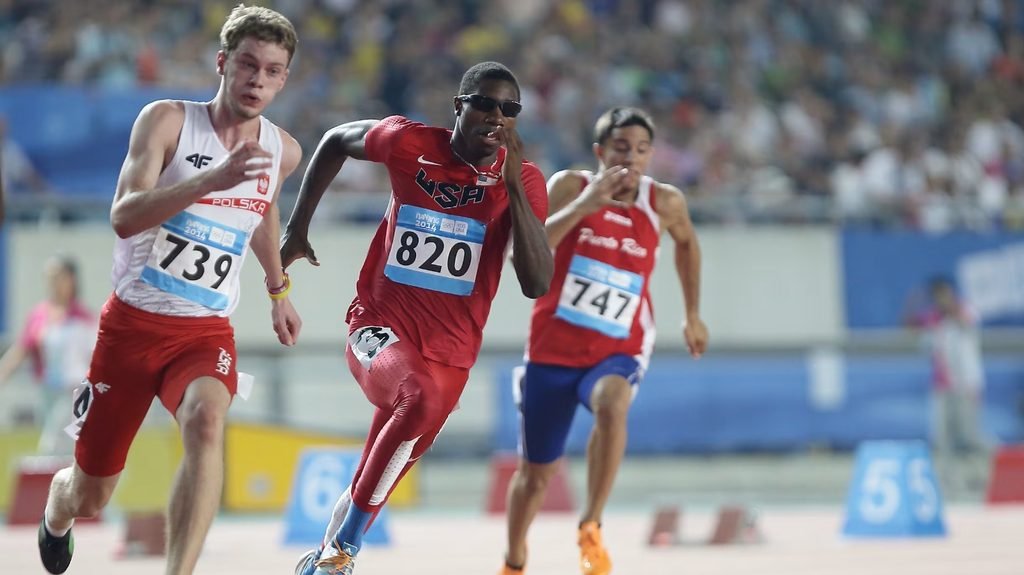
At 17, Lyles won the boys’ 200-meter gold medal at the 2014 Youth Olympic Games in Nanjing. He went on to become a world champion in 2019 before winning Olympic gold at the 2024 Paris Games.
“Perhaps future record holders will emerge in the coming days,” Diouf said.
Lyles’ career illustrates how the Youth Olympics can offer young athletes an early opportunity to compete internationally and build toward success at the senior level.
The United States, which has participated in every edition of the Youth Olympic Games since their launch in 2010, is continuing that tradition in Dakar.
As the competition continues through Nov. 13, Senegal faces an opportunity to demonstrate its capacity to host major international sporting events while providing a global platform for the next generation of athletes.
For Africa, the significance extends beyond the medals. Dakar 2026 is a chance to strengthen the continent’s presence in international sports, showcase its cultural identity and demonstrate that it can help shape the future of the Olympic movement.
1 comment
We love Senegal, the home of champions