
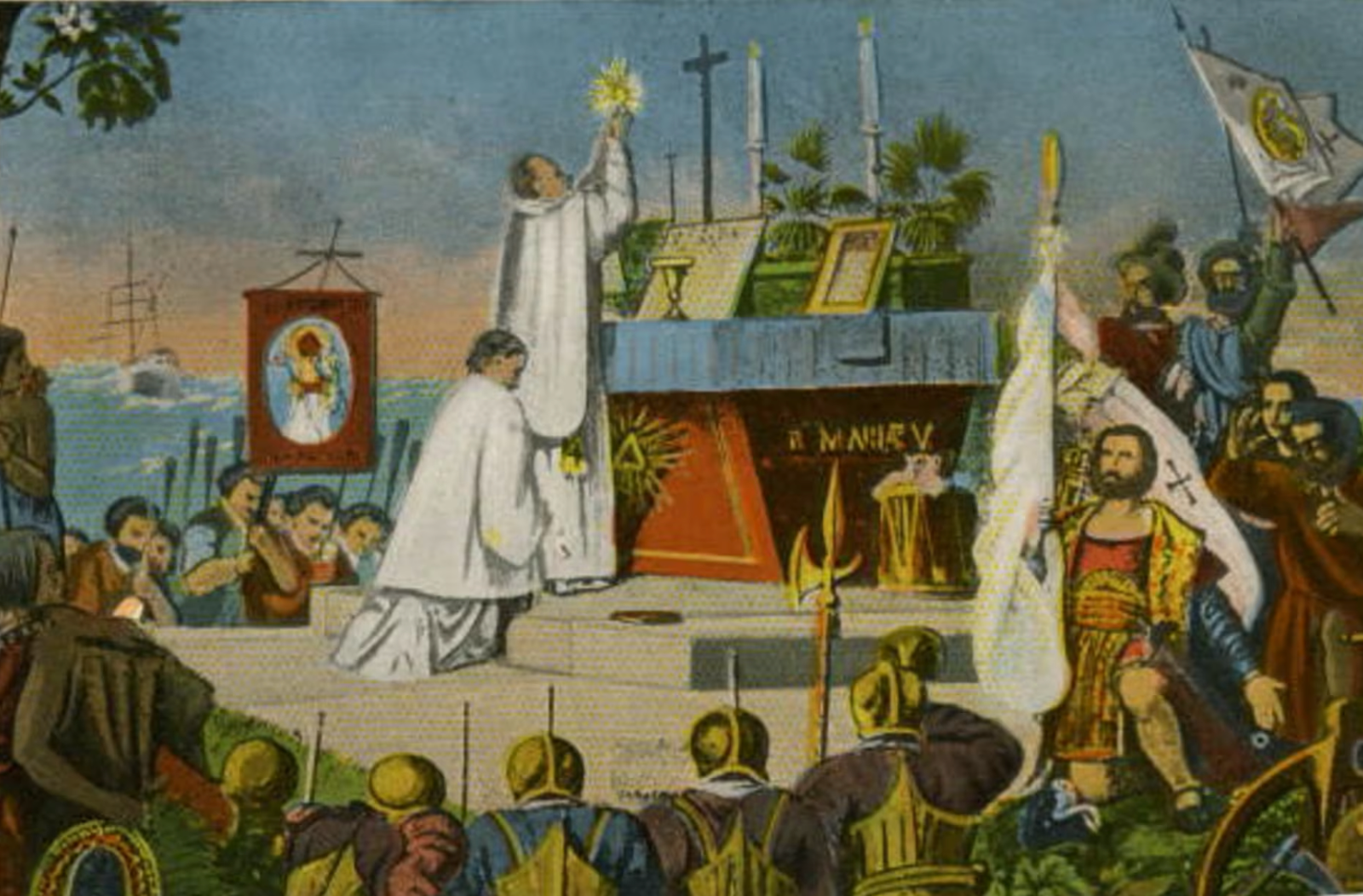

As millions of Americans gather around the table for Thanksgiving, African immigrant families across The United States of America are adding their own cultural traditions to the holiday, blending American customs with the food, music and communal values of their homelands.
Celebrated on the fourth Thursday of November, Thanksgiving is commonly traced to a 1621 harvest gathering involving English colonists in Plymouth and members of the Wampanoag people. It became a national holiday in 1863, when President Abraham Lincoln proclaimed a day of thanksgiving during the Civil War.
For many African immigrants, however, Thanksgiving has taken on a broader meaning. Beyond celebrating an American holiday, it offers an opportunity to reconnect with their roots, bring families and communities together, and introduce others to the cultures they left behind.
Alongside traditional dishes such as turkey, mashed potatoes and stuffing, African immigrant families serve jollof rice, East African stews, plantains and other foods that reflect the continent’s diverse culinary traditions. The result is a celebration that brings together different cultures around a shared table.
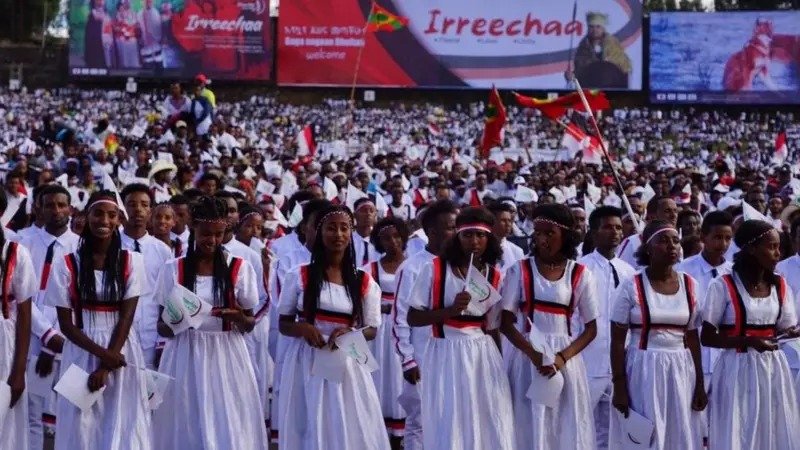
Photo credit: BBC
For Yvonne Capehart Weah, who grew up in Liberia, Thanksgiving has long been a family tradition. One of 12 siblings, she returns each year to Caldwell, the township where she grew up, to celebrate Liberian Thanksgiving on the first Thursday of November.
“When we come together, the group becomes so large that you are not able to sit around a dining table,” Capehart Weah told NPR. “So we do it outside under the tree. And when we meet, it’s almost like we’re having a party.”
Liberian Thanksgiving dates back to the 19th century, when the American Colonization Society established settlements that eventually became Liberia. The settlers included free Black Americans and formerly enslaved people who migrated from the United States.
They brought Thanksgiving traditions with them, which gradually became part of Liberia’s national culture. Today, the holiday is an occasion for families and communities to gather, share meals and express gratitude.
But traditions of thanksgiving across Africa go back much further. Across the continent, communities have developed their own harvest festivals and cultural ceremonies to celebrate food, honor spiritual beliefs and strengthen ties among families and communities.
In Ethiopia, the annual Irreecha festival brings thousands of Oromo people together to celebrate gratitude, peace and renewal. The Oromo, Ethiopia’s largest ethnic group, mark the occasion with gatherings that often feature traditional white clothing, music and cultural performances.
Irreecha is a thanksgiving festival honoring Waaqa, whom the Oromo regard as God. Some participants practice Waaqeffannaa, the traditional Oromo faith centered on the worship of Waaqa. The festival also serves as an occasion to promote peace, reconciliation and unity.
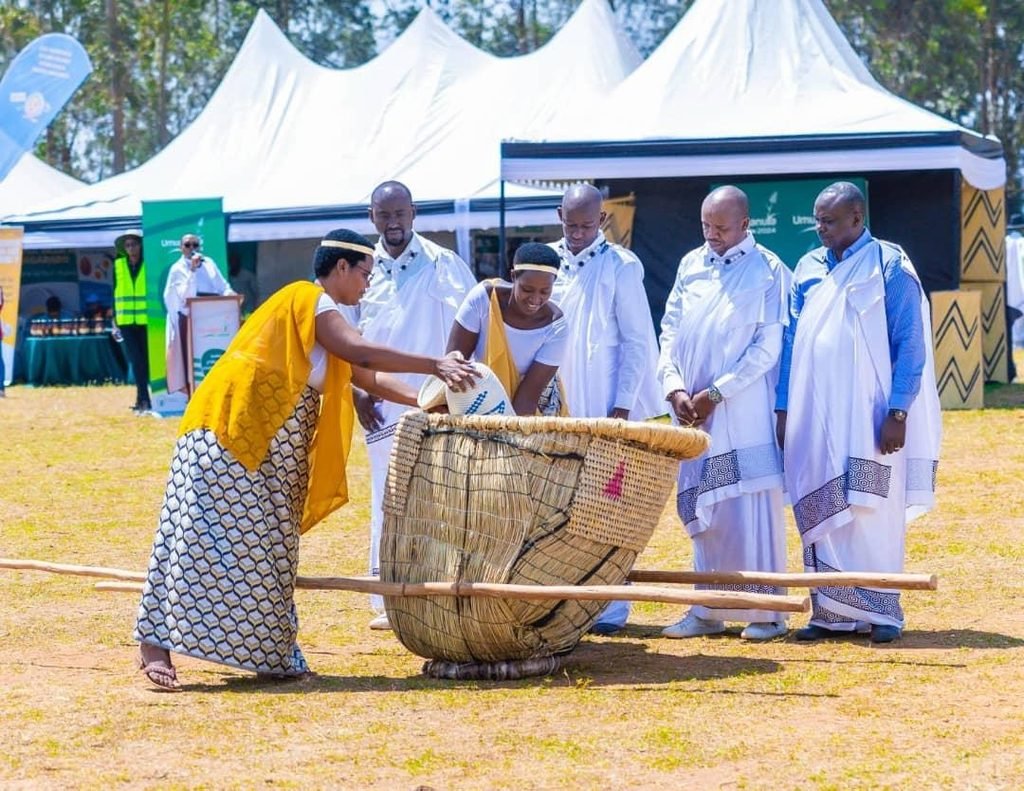
In Rwanda, Umuganura Day, celebrated on the first Friday of August, is a national harvest and thanksgiving holiday rooted in the country’s agricultural heritage.
The celebration brings communities together to showcase their harvests, share traditional food and recognize the contributions of farmers. It also provides an opportunity to celebrate Rwanda’s cultural heritage and express gratitude for the year’s blessings.
Like Thanksgiving in the United States, Umuganura centers on food, gratitude and community. However, the two holidays have different historical origins, cultural traditions and places in national life.
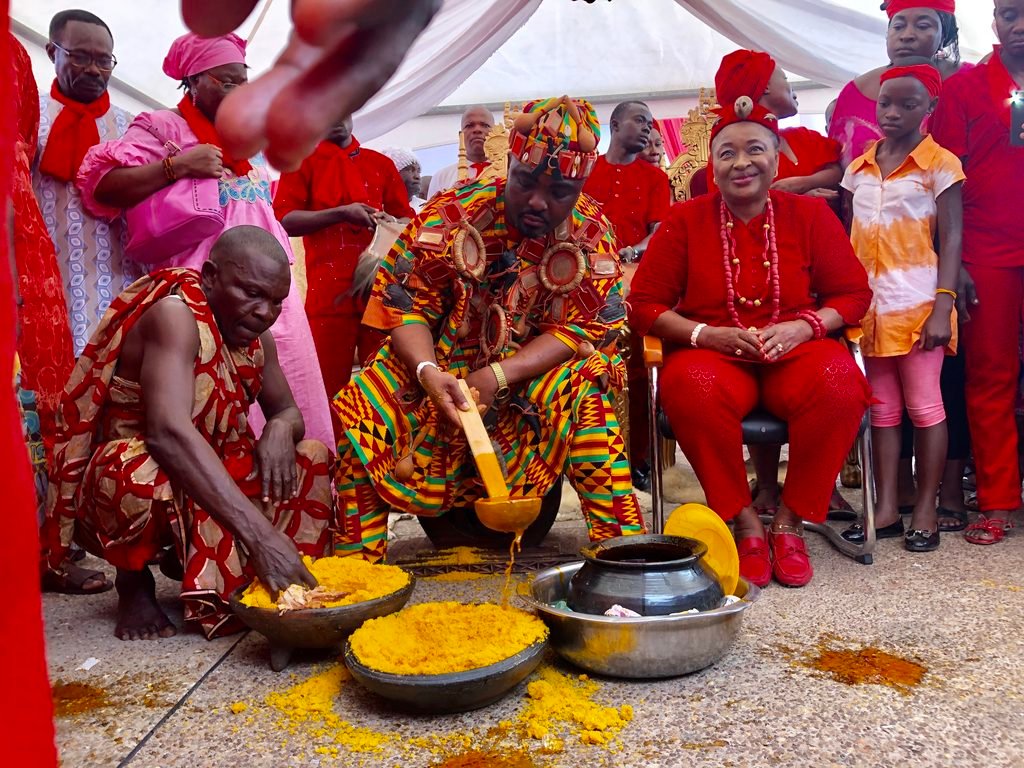
Photo credit: Ghana Tourism Authority
In Ghana, the Ga people celebrate Homowo, a festival whose name is commonly translated as “hooting at hunger.” The annual celebration commemorates a famine in the history of the Ga people and their eventual triumph over hunger.
According to Ga tradition, the community endured hardship during its migration and settlement. Homowo developed as a way to remember that difficult period, celebrate survival and give thanks for the abundance that followed.
The festival features traditional rituals, drumming, singing, dancing and communal meals. One of its defining traditions is the sprinkling of kpokpoi, a traditional cornmeal dish, as an offering associated with thanksgiving. Families also reunite to celebrate their shared history and cultural identity.
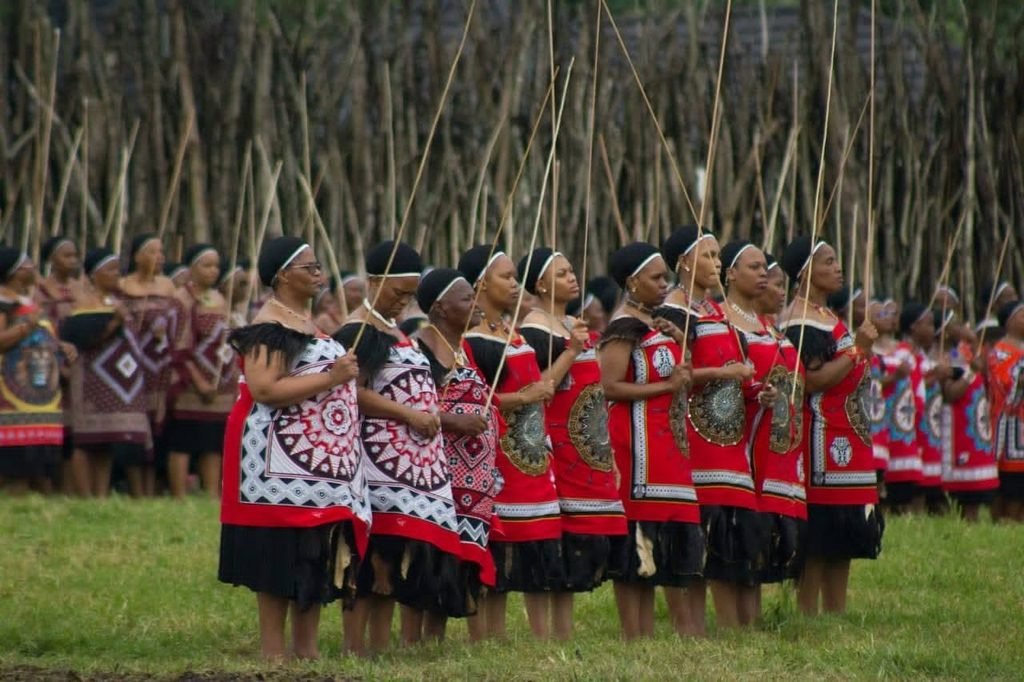
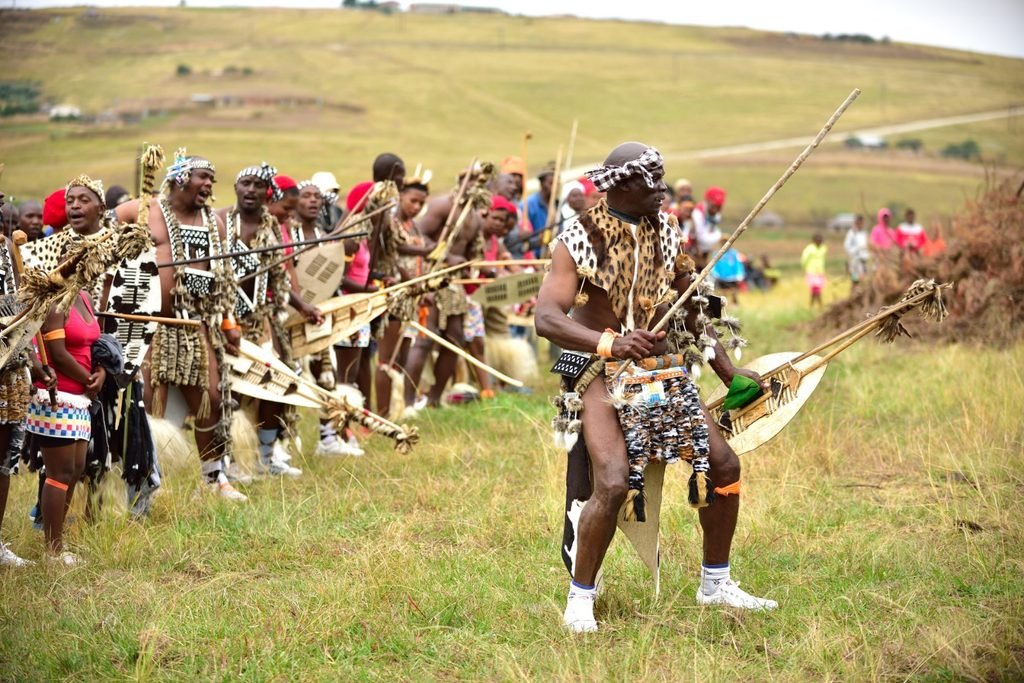
In Southern Africa, Eswatini’s Incwala ceremony and the Zulu people’s Umkhosi Wokweshwama in South Africa offer other expressions of gratitude through traditional first-fruits celebrations.
Unlike the family-centered Thanksgiving holiday in the United States, these ceremonies have sacred cultural and royal significance. They are associated with agricultural renewal, ancestral traditions and national unity. Held around December and January, they mark the presentation of the first fruits and the beginning of a new agricultural cycle.
Both ceremonies bring communities together under traditional leadership to recognize the importance of the harvest, honor cultural heritage and mark the continuity of their traditions.
A celebration of culture and belonging
For African immigrant families in the United States, Thanksgiving has become more than an adopted American holiday. It is an opportunity to bring two cultures together, sharing the food, faith and communal values of home while embracing life in a new country.
Whether around a table filled with turkey and traditional African dishes or at a gathering of extended family and friends, these celebrations reflect a deeper connection to identity, heritage and community. For many immigrants, Thanksgiving is also a reminder that belonging does not mean leaving their traditions behind. It means finding new ways to keep them alive.