
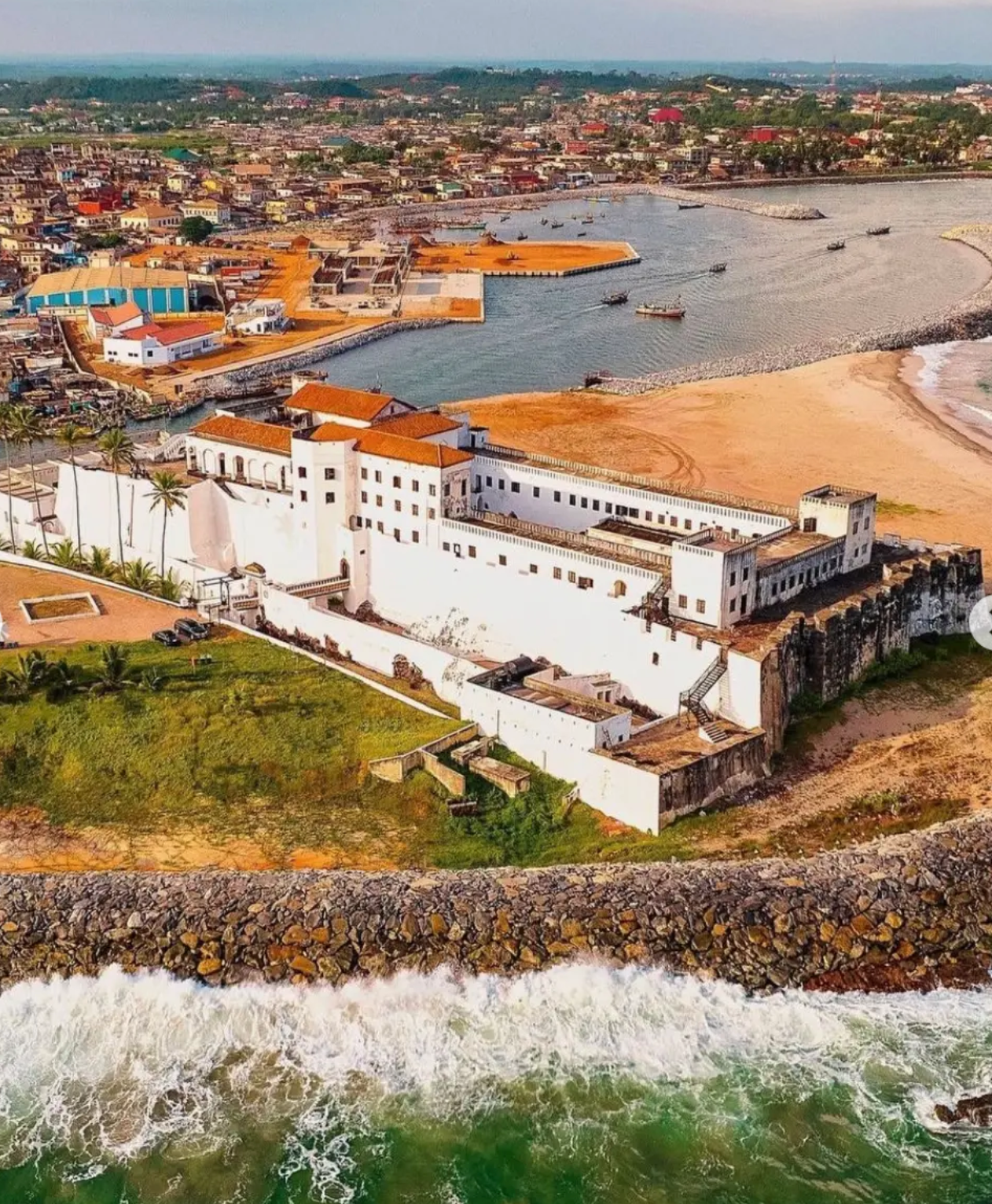

Following a landmark United Nations resolution recognizing the transatlantic slave trade as the “gravest crime against humanity,” Ghana is taking the conversation about reparatory justice to the stage. Through theater, the country hopes to bring the history of slavery to a wider audience while advancing proposals to address its lasting economic consequences.
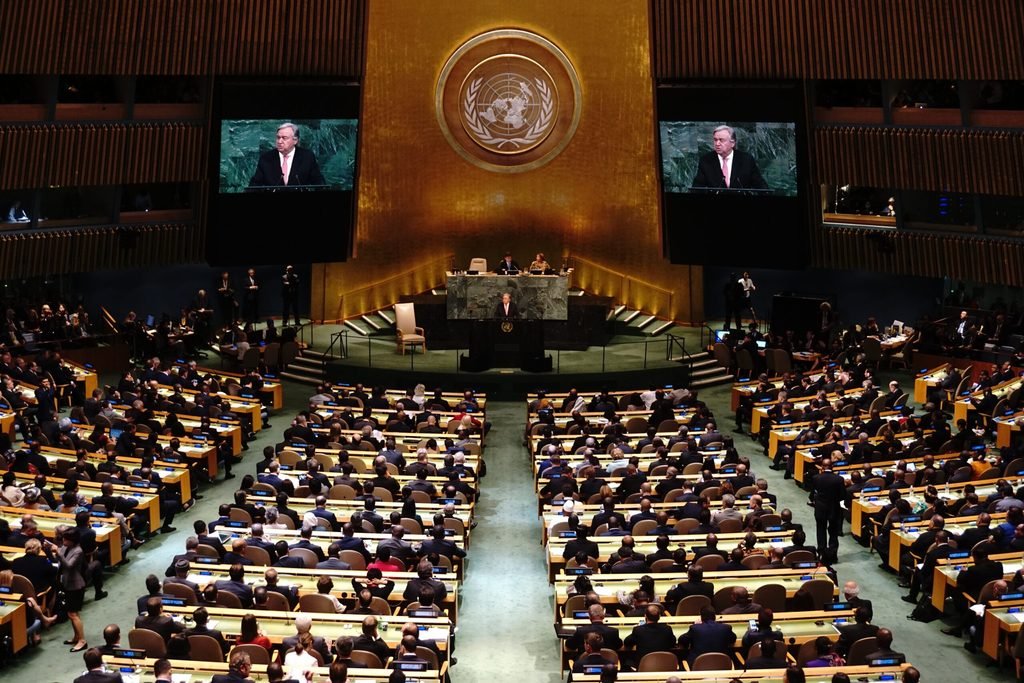
On March 25, 2026, the U.N. General Assembly adopted a Ghana-led resolution recognizing the trafficking and enslavement of Africans as the “gravest crime against humanity.” The resolution received 123 votes in favor, three against and 52 abstentions. Although it is not legally binding and does not establish a compensation mechanism, it has renewed international attention on demands for reparations.
In Accra, playwright and producer Latif Abubakar is using The Dark Chapter, a musical drama about the transatlantic slave trade and its lasting impact on Africa and people of African descent, to bring that history to life. He hopes to take the production beyond Ghana and use theater to engage audiences around the world.
“It has every element. This is a musical drama, so it fits as a global production, and can be performed anywhere in the world,” Abubakar said. His ambition is to stage the production internationally and introduce audiences to the debate over slavery and reparations through a 90-minute performance.
For Ghana, however, the conversation extends beyond cultural recognition. The Office of the President’s Special Envoy for Reparations has proposed converting portions of African countries’ bilateral debt into investments in education, health care and industrial development.
Ambassador Spio-Garbrah, who is advancing the proposal, argues that reparations should address the economic inequalities that persist in developing countries. He points to figures showing that developing countries paid $921 billion in net interest on public debt in 2024, while 3.4 billion people lived in countries spending more on interest payments than on health care or education.
“This is neither charity nor debt forgiveness. Debt forgiven is a concession; debt converted for reparative purposes is an acknowledgment,” Spio-Garbrah said. “We cannot restore the years that were stolen, but we can honor their memory by building a stronger Africa, by transforming historical wounds into economic renewal, debt burdens into development dividends, and recognition into reparative action.”
The proposal draws on a broader argument that the wealth generated through slavery helped shape Western economies. Over approximately four centuries, European powers forcibly transported more than 15 million Africans across the Atlantic. Britain and other European nations played major roles in the trade, which relied on governments, merchants and financial institutions that profited from enslaved labor.
Those historical ties have also brought renewed scrutiny of institutions that benefited from slavery, including religious organizations. The Church of England, for example, has faced calls to acknowledge its role in the slave economy and demonstrate a commitment to meaningful action.
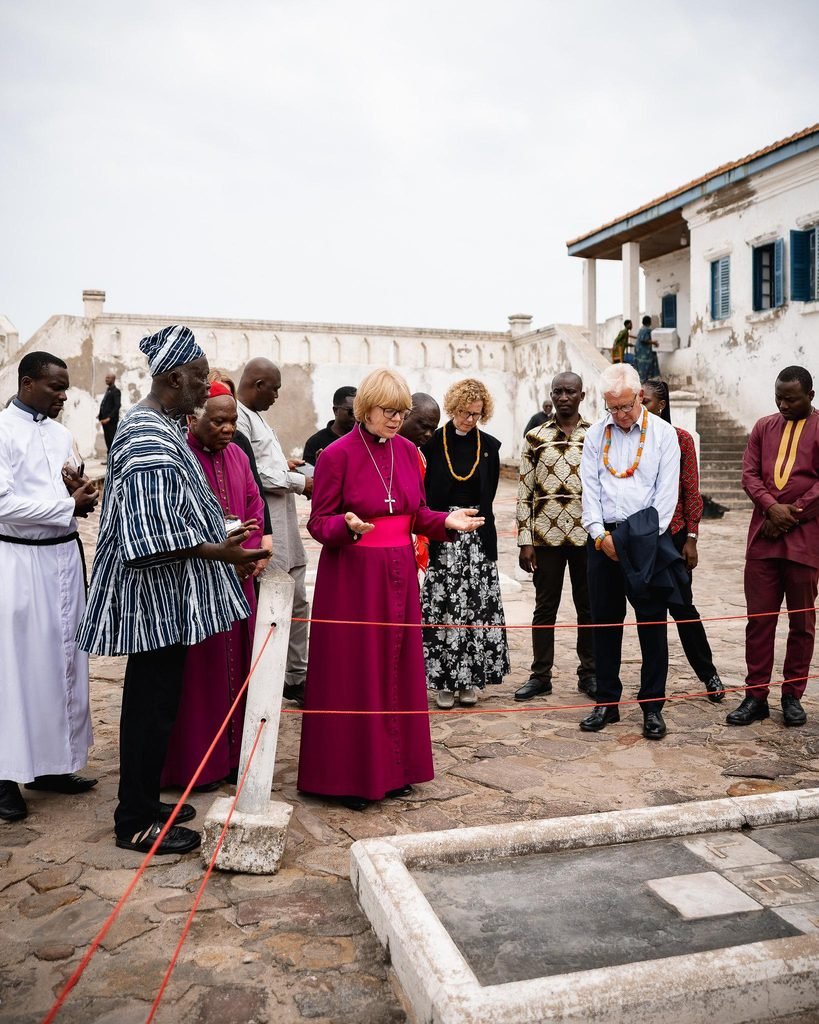
In July 2026, Archbishop of Canterbury Sarah Mullally visited Cape Coast Castle during a trip to Ghana and Cameroon. She toured the former slave dungeons and the Door of No Return, where she prayed and reflected on the church’s historical involvement in slavery.
In an interview with ITV, Mullally acknowledged that history and called for action beyond an apology.
“We have to recognize that as a church we played that part, and we have to apologize for that. The heart of Christians believes in repentance is when you repent you turn around. There is something about action,” she said.
The Church of England has proposed a £100 million Fund for Healing, Repair and Justice to address its historical links to slavery. However, the initiative has faced criticism and questions about its implementation.
The reparations debate has also gained momentum through international and continental efforts. The 2001 World Conference Against Racism in Durban, South Africa, brought renewed attention to the consequences of slavery. More recently, the African Union has pushed for greater recognition of chattel slavery and reparatory measures beyond formal apologies.
For advocates, addressing slavery’s legacy also means preserving the history of African resistance and challenging efforts to erase it. “What people don’t seem to remember, due to all efforts to erase history, is that Black people, African people, have resisted the institution of chattel enslavement and the trafficking of Africans since the first hour the crime was committed on the shores of Africa,” said Jasmine Mickens, a postgraduate student of history and government at Harvard University.
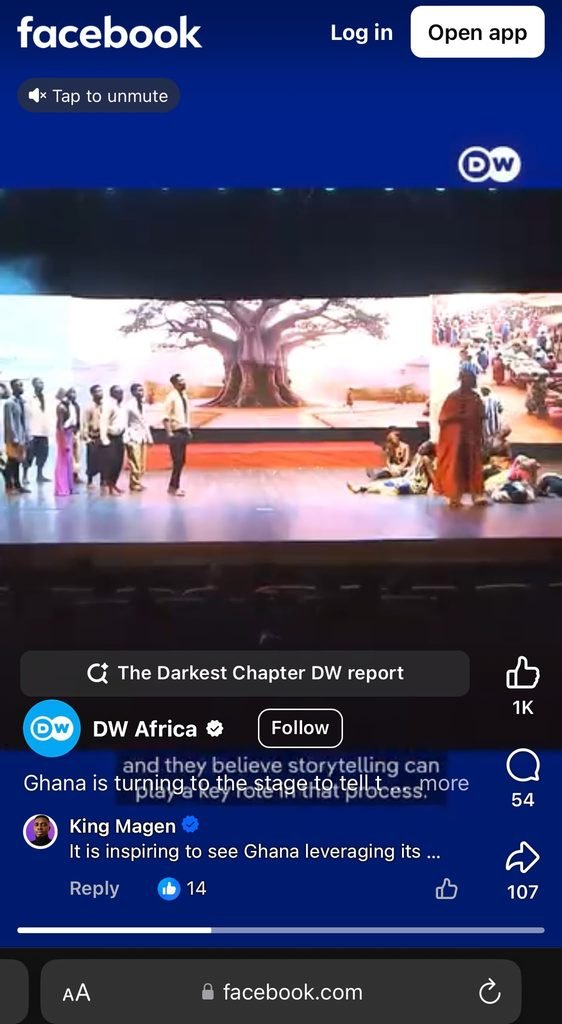
Click the photo above to watch the video and learn more about the production and the story behind it.
That struggle over historical memory continues in the United States, where debates over restrictions on teaching slavery, segregation and racism in schools have raised concerns about the marginalization of Black history.
Against this backdrop, Ghana’s creative industry is helping preserve African stories and strengthen connections with the diaspora. For Abubakar, theater offers an opportunity to do more than entertain. Through The Dark Chapter, he hopes to keep the history alive, reach audiences beyond Ghana and encourage a wider conversation about why reparatory justice matters today.